Up to $8,000 a year in eggs, meat, honey, vegetables and fruit you stop buying — using the systems our grandparents ran on a backyard, written down with the honest numbers. Three illustrated manuals, 350 numbered methods, 416 pages, every figure traced to a university extension service or the USDA. Six hens pay the $57 back in about six weeks of eggs.

Not a prepper manual. Not a lifestyle. The plain working knowledge our grandparents never wrote down.
Merritt Garden · The WorkshopEggs, meat, milk and honey. Water, soil, fish, feed and storage. What to plant every month, and how to get more food from the same ground. Every method comes with the materials, the measurements, the 2025–26 prices and the honest yield. Start this weekend with six hens and a four-by-eight bed.
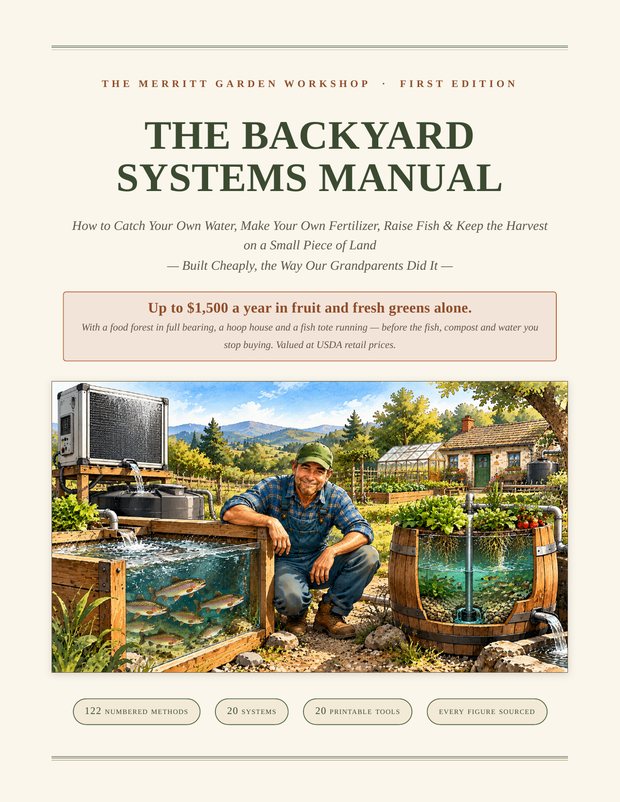
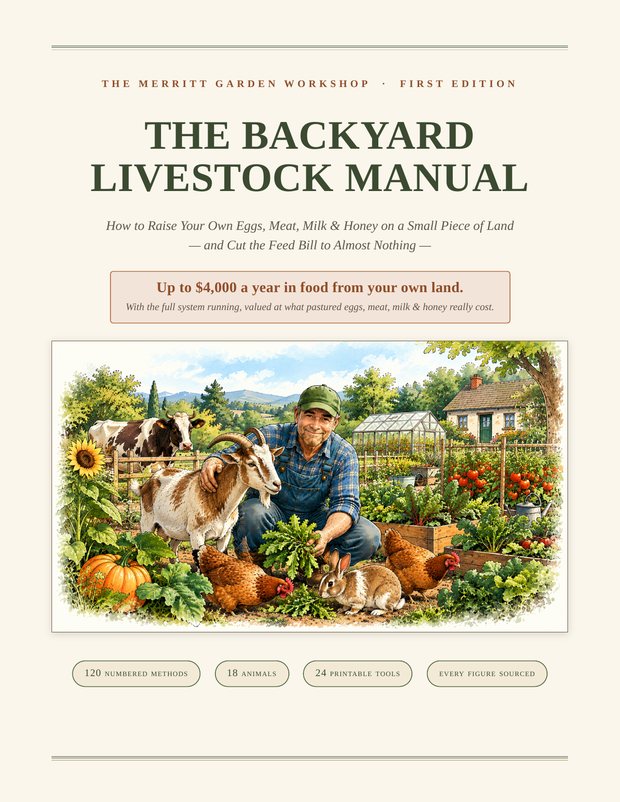
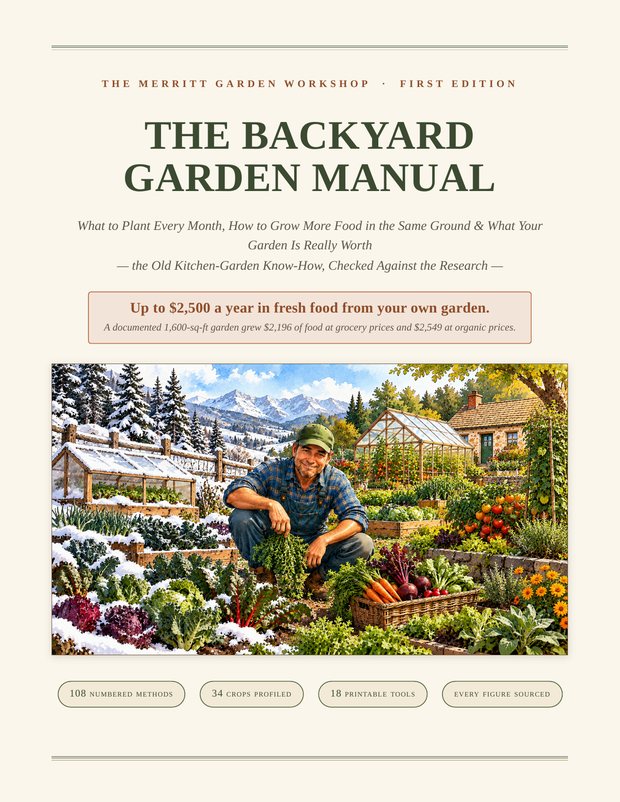
Which animals fit your lot and your town. The coop, the hutch, the hive and the pond. The rain barrel, the compost that works, the fish tote and the $200 greenhouse. Your frost dates, the twelve-month calendar, thirty-four crops and the garden ledger. Three hundred and fifty numbered methods, with the exact materials and the current prices, and a plain note on what each one really gives — and what it doesn’t.
This is the starter plan the books tell most families to begin with: six laying hens, ten four-by-ten beds, one cattle-panel hoop house and two hives in year two. Every number comes from the manuals and the sources named under the table.
The starter plan keeps about $1,000 to $1,900 a year in your pocket — and the three manuals cost $57, once.
Six hens alone return the price of the Library in about six weeks of eggs.Sources: eggs, feed and payback — The Backyard Livestock Manual, Methods 8–10 (University of Maryland small-flock budget; hatchery and feed-store prices). Vegetables — The Backyard Garden Manual, the 400-square-foot ledger (Virginia Cooperative Extension yields; USDA Economic Research Service prices; Langellotto, Journal of Extension, 2014, for the $238 materials average; Roger Doiron / Kitchen Gardeners International for the 1,600-sq-ft garden). Hoop house — The Backyard Systems Manual, Chapter 16. Honey — USDA NASS Honey report, March 2026; yields per hive from NC State and Mississippi State Extension. “Up to” figures are ceilings at full running, not promises: fruit trees take five years to bear, bees give no honey in year one, and none of this counts your hours. Your land, climate, laws and effort decide.
Three hundred and fifty numbered methods across three books. Each one: what to build or do, how big, how much, when, what it costs, and an honest note on what it does and doesn’t give. Pick the methods that fit your land — you do not have to do all of them.
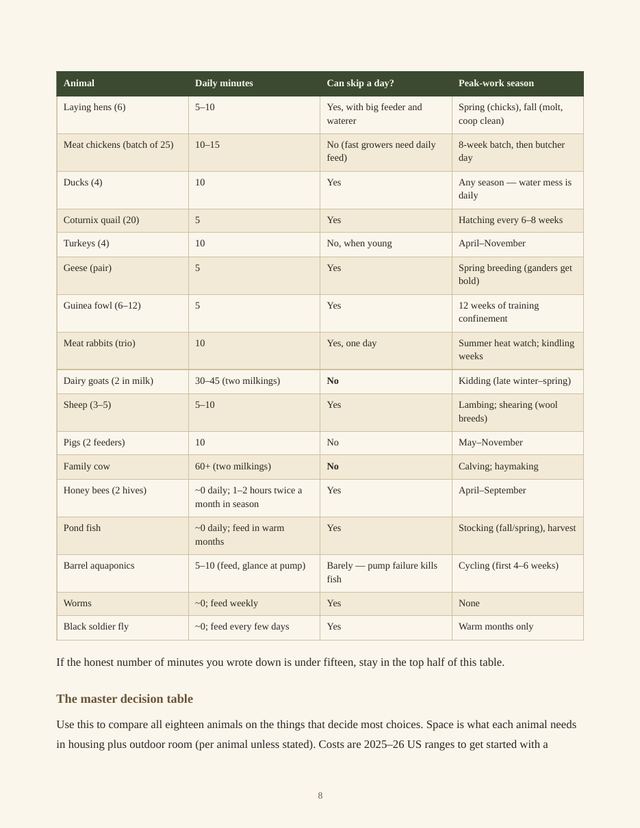
Letter size, illustrated, laid out to read at the kitchen table and photocopy for the shed door. Two pages and two of the printable tools.
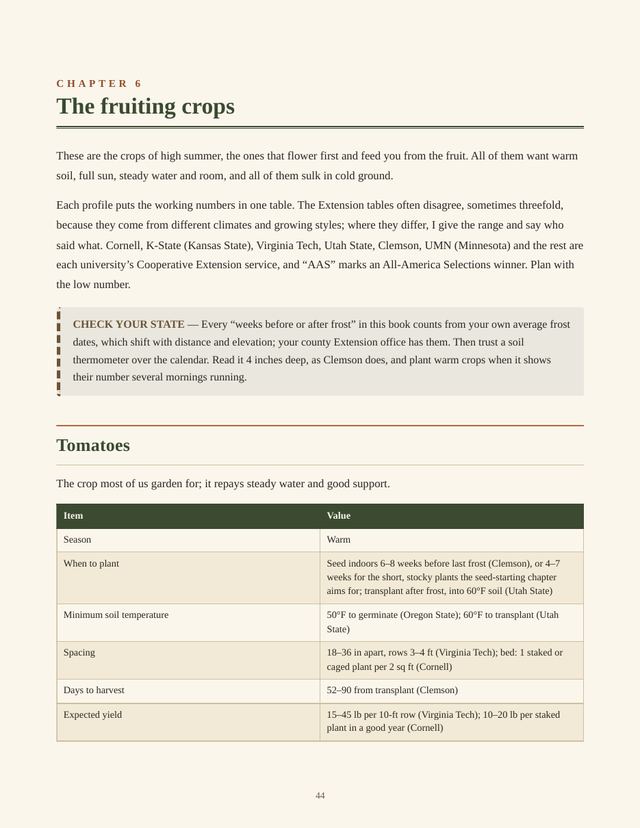
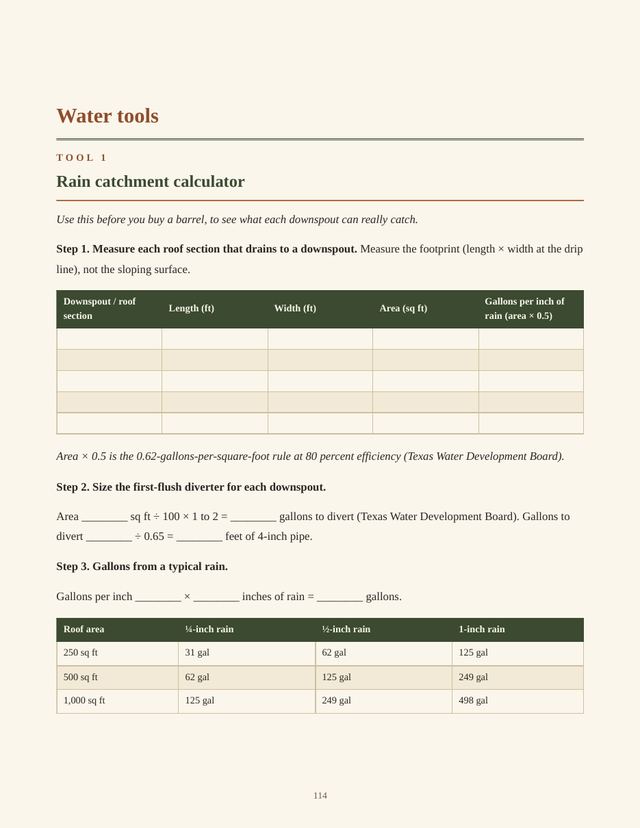
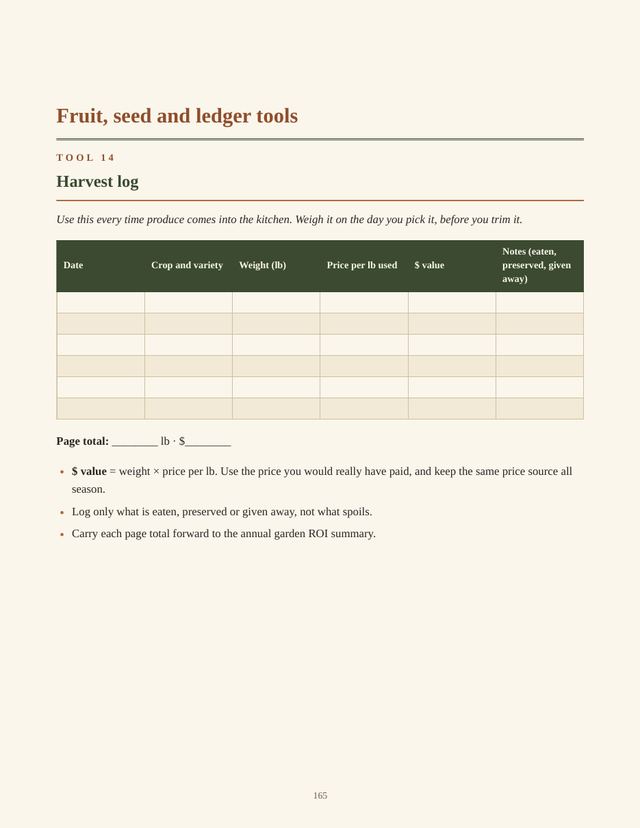
Old-timer’s note for grandparents’ practice that holds up, with the evidence. The honest truth where the sales pages — and sometimes our own videos — exaggerate. Myth for claims the research does not support. Check your state wherever the law varies.
Three readers, three different lots, three different climates. Each one started one method and wrote down what it gave.
I bought all three because the chicken videos convinced me, and the Livestock Manual alone was worth it. Method 15 fixed my soft-shell problem in a week — calcium free-choice in its own dish, where I had been mixing it into the feed. The Systems book got a rain barrel and a worm bin under the hutch built in one weekend, and the per-person planting table in the Garden book stopped me planting twelve zucchini again. What I appreciate most is that it tells you when something isn’t worth it. The honest-truth boxes talked me out of goats, and they were right.
Half a star off because I wanted more on dairy goats, and the cow chapter mostly talks you out of a cow — which, fine, is probably the right call for most of us. Everything else is the best-organized homestead reference I have read, and I have read the Storey guides. The 400-square-foot ledger in the Garden book is the first time anyone showed me the real arithmetic instead of “grow $1,000 of food for $50.” The planting calendar, the crop profiles and the toolkit sheets are what I would have wanted on day one. I printed the sheets and they are pinned inside the shed door.
Four stars. The content is excellent and it is sourced — I checked three of the extension references and they say what the book says they say. Why not five: it is a PDF and I would pay extra for a printed copy; and the Systems book is honest to a fault — the night-air panel chapter plainly says the video oversold it, which I respect, but I had bought the book partly for that build. Still: the cattle-panel hoop house went up in a weekend for $190, and I am picking spinach in December in Michigan.

We grew up on a small piece of land that fed a family without anyone calling it a homestead. There were hens behind the house, a pen of rabbits, a big garden, a cellar of potatoes that lasted until April and a shelf of jars that held the summer. None of it was a hobby and none of it was a business. It was how our grandparents ate, before the supermarket made everyone forget that they could.
We have spent our working lives in agriculture and small-scale self-sufficiency since — on family land, in market gardens, around backyard flocks, hives and ponds — and we learned the expensive way which of the old methods hold up and which were only ever stories. That is what the Merritt Garden channel teaches, in illustrated videos watched by tens of thousands of families every month.
The three manuals are the channel’s workshop, written down. Three hundred and fifty numbered methods, with the materials, the measurements, the 2025–26 prices and the honest yield. Every figure is traced to a university extension service, the USDA or a peer-reviewed study, and the sources are listed at the back of each book. Where one of our own videos overstated something, the book says so and gives the verified number. We would rather lose a sale than sell you a goat nobody wanted by the second winter.

Instant access — the three PDFs are in your inbox within a minute of payment and in your Gumroad library for good. Read them on any phone, tablet or computer, and print the toolkit sheets at the kitchen table. Every future edition is free.
The Livestock, Systems and Garden manuals together: 350 numbered methods, 62 printable tools, every figure sourced. Pick the methods that fit your lot and start this weekend.
Launch promo price. Buy one now and you can add the other two at checkout for $30 more.
The manuals are written for ordinary North American homes, from zone 3 to zone 10. The planting calendar runs on a zone 6–7 baseline and shows you how to shift every date to your own frost dates in two minutes; animal housing is given for cold winters and hot summers both; and wherever a rule changes at the state line — rain barrels, ponds, fish, roosters, raw milk — a Check your state box says so.
Most of the books are written for exactly that. Six hens or two dozen quail, a trio of meat rabbits, a worm bin, a rain barrel, four-by-eight beds, a cattle-panel hoop house and a fish tote all fit a quarter acre or less, and the methods that genuinely need acreage — sheep, pigs, the cow, the pond, the grazing loop — are flagged plainly so you don’t learn it the expensive way.
They stand alone, and they are written to work together: the animals eat from the systems and feed the garden, the garden feeds the animals, and the ledger tells you what the whole thing is worth. The starter plan on this page uses all three. If you only keep a garden, the Garden Manual on its own is $27 — and you can add the other two at checkout for $30 more.
Three PDFs, Letter size, illustrated, 416 pages in all. Checkout is handled by Gumroad; the download link is in your inbox within a minute and the books stay in your Gumroad library forever. Read them on a phone, tablet or computer, or print the chapters and the 62 toolkit sheets at home.
Every yield, rate, temperature, price and legal rule is traced to a university Cooperative Extension service, the USDA, the National Center for Home Food Preservation, the EPA, the CDC, a state agency or a peer-reviewed study, and the sources are listed at the back of each book. Where a widely repeated figure could not be traced, it is marked practitioner consensus. Where one of our own videos overstated something, the book corrects it. “Up to” means a ceiling at full running, not a promise.
No. You pay once. Lifetime updates are included: owners of the first edition receive every future edition free.
The first edition launches with all three manuals for $57 — $24 less than buying them one by one at $27. You pay once, and every future edition is free.
Email us within 7 days of purchase and we refund you. No forms.
Three manuals, 350 methods, every figure sourced. $57 once, yours forever, every future edition free. Launch promo: all three for $57.
Get the Library · $57 →
Wait — one thing
At pastured-egg prices, a backyard flock of six returns the price of all three manuals in a month or two of eggs — and the books tell you exactly how to keep them laying. 350 methods. Launch promo: all three for $57.
Get the Library · $57 → Or see what’s inside →